
 Product Brochure
Request a Quote



 Product Brochure
The UVS DPRG Series Vacuum Pirani Gauge Controller provides precise vacuum pressure readings from a S-PR-GH sensor tube. Utilizing the thermal conductivity principle, this gauge effectively measures vacuum levels within the range of 0.001 mbar to 20 mbar, ensuring accurate and reliable performance for various applications.
Pressure Measurement Range: 0.001 to 20 mbar
Compact and durable 1/8 DIN console design.
Brass body measuring cell featuring a metal-sealed feedthrough.
Pressure Measurement Range: 0.001 to 20 mbar
Brass body measuring cell featuring a metal-sealed feedthrough.
Equipped with a universal power supply that accepts an input voltage range of 90 to 264 VAC and a frequency of 47 to 440 Hz.
| Number of sensor channels | ONE |
|---|---|
| Display Range | 1000 mBar to 0.001mBar. |
| Measuring Range | 20 mBar to 0.001mBar. |
| Units of Display | 20 mBar to 0.001mBar. |
| Vacuum Gauge Head | DVacuum Gauge Head |
| Process Control Relays | One relay output, potential free contacts; independent available through the DB15 accessory connector on the rear panel |
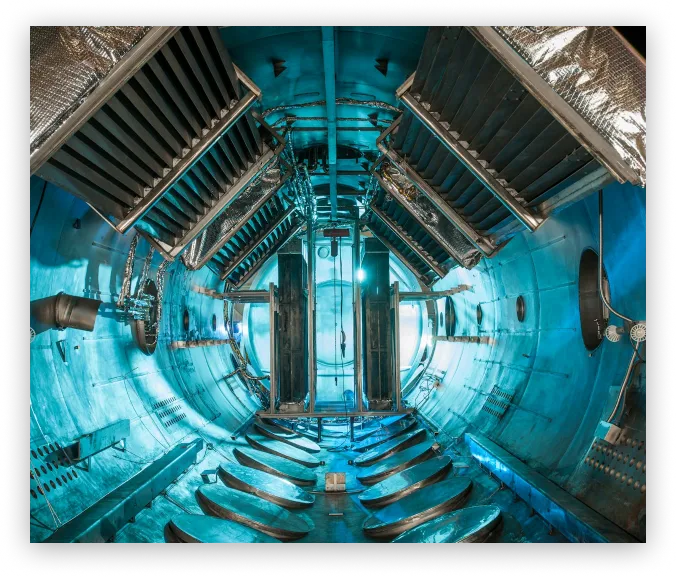
Precision Helium Leak Detectors are essential for effectively managing high vacuum systems. By detecting even the smallest leaks, these detectors ensure optimal system performance, preventing pressure loss and maintaining desired vacuum levels. This capability is crucial in industries where high vacuum conditions are necessary, such as semiconductor manufacturing and scientific research. By utilizing these detectors, operators can enhance system reliability and efficiency while minimizing operational costs.
Precision Helium Leak Detectors are essential for effectively managing high vacuum systems. By detecting even the smallest leaks, these detectors ensure optimal system performance, preventing pressure loss and maintaining desired vacuum levels. This capability is crucial in industries where high vacuum conditions are necessary, such as semiconductor manufacturing and scientific research. By utilizing these detectors, operators can enhance system reliability and efficiency while minimizing operational costs.
EXCELLENCE IN VACUUM ENGINEERING

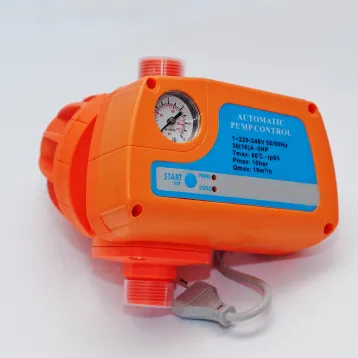
Range: 20 mbar to 0.001 mbar
ADDRESSING YOUR CONCERNS
We’re here to help! If you don’t see your question, feel free to contact us directly.
.accordion-body, though the transition does limit
overflow.
.accordion-body, though the transition does limit
overflow.
.accordion-body, though the transition does limit
overflow.